Mobile Fiberglass and Gelcoat Repair in North Port, Charlotte & Sarasota County, FL
Dock rash, hull cracks, gelcoat scratches, transom damage, and cosmetic hull restoration handled at your slip, lift, or driveway. Color-matched gelcoat work, structural fiberglass repair, and full cosmetic restoration, done on-site across Charlotte and Sarasota County.
Boat Fiberglass Repair That Comes to Your Dock
Fiberglass damage on a boat rarely happens on a convenient day. Dock rash appears after a windy afternoon. A stress crack develops around a cleat under load. Gelcoat oxidizes and fades in the Florida sun. A hard bump against a piling turns into a spider crack you cannot ignore. In most cases, the damage does not stop you from running the boat, but it also is not going away on its own, and it is often worse underneath than it looks on the surface.
S&S Marine Repair handles marine fiberglass repair and gelcoat work at your boat. From small cosmetic gelcoat scratches to structural hull damage, transom rebuilds, and delaminated deck cores, we bring the tools, materials, and finishing equipment to your slip, boat lift, or driveway. Every repair is quoted after inspection, and every job comes with a written estimate before we start.
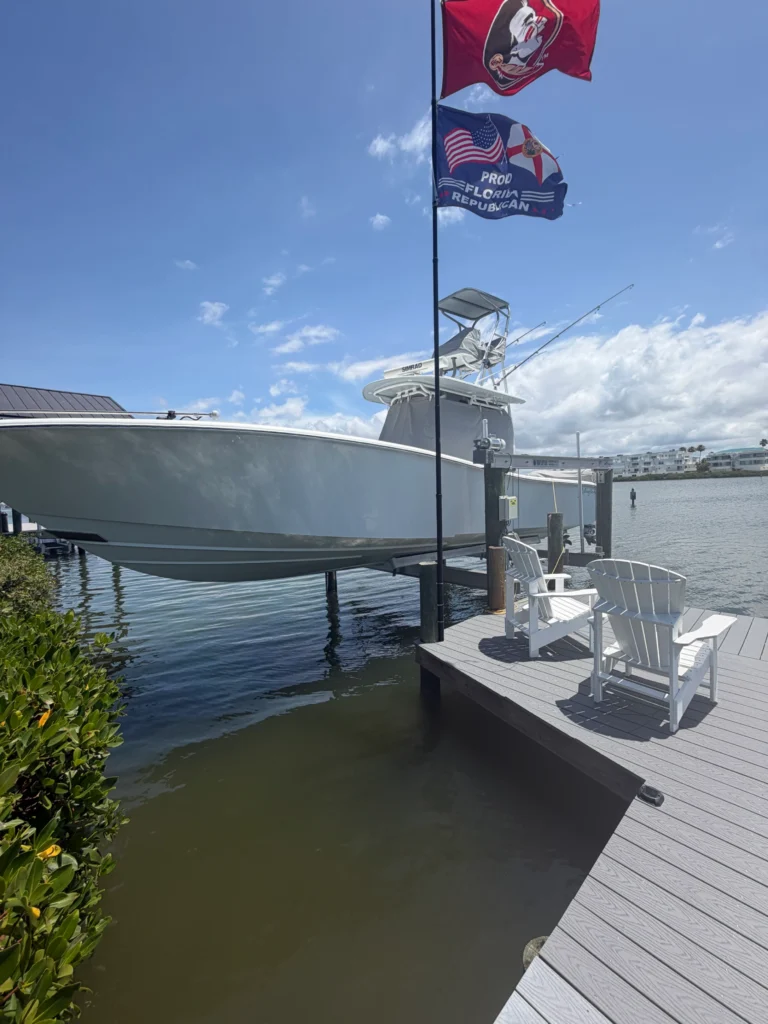
Trusted by Boat Owners Across Southwest Florida
About the Fiberglass Work Behind S&S Marine Repair
S&S Marine Repair is a family-owned mobile marine service based in North Port, Florida. Owner and technician Spencer Iannuzzi handles the fiberglass and gelcoat work personally, using the same layup materials and color-matching approach the boats were originally built with. Every fiberglass repair goes through the same process regardless of size: proper surface prep, correct material selection for the original construction, patient cure times between layers, and on-site color matching against the actual weathered hull. That approach takes longer than shortcut methods, but it is the only way to produce a repair that stays invisible and holds up long-term in a Florida saltwater environment.
We serve boat owners across Charlotte and Sarasota County directly, without a service writer or shop overhead in the invoice. When you book fiberglass work, the person who quoted the job is the same person who does the work.
What Boat Fiberglass Damage We Handle On-Site
Every fiberglass repair falls into one of two categories: cosmetic or structural. Both are repairable, but they require different approaches, different materials, and different amounts of time. On any given week, we handle the full range across Charlotte and Sarasota County boats.
Cosmetic Gelcoat and Surface Damage
The most common calls we get involve gelcoat damage that does not compromise the hull’s structural integrity but does hurt the boat’s appearance and long-term protection. This includes gelcoat scratches from dock rub or line abrasion, small chips at high-wear areas like transom edges and rub rail terminations, spider cracks radiating from a cleat or hardware base, gelcoat oxidation and fading from years of Florida sun exposure, and dock rash along the bow, chine, or hull sides. Cosmetic repairs are usually finished in a single visit and blended with color-matched gelcoat so the fix disappears into the surrounding surface.
Structural Fiberglass and Hull Damage
More serious damage requires structural repair using the same layup techniques the boat was originally built with. This includes stress cracks that penetrate through the gelcoat into the fiberglass laminate, impact damage from grounding, collision, or a hard docking, transom damage including soft or rotted transoms on outboard-powered boats, stringer damage from age, water intrusion, or impact, delaminated deck cores where the top laminate has separated from the underlying core material, and holes that need to be patched with proper laminate schedule and structural continuity. Structural repairs take longer, require multi-day cure times between layers, and finish with color-matched gelcoat to hide the repair.
Cosmetic and Non-Structural Interior Work
Console damage, small hatch cracks, non-load-bearing bulkhead repairs, and interior fiberglass work also fall within our scope. These jobs are often quicker than exterior work because color-matching is less critical and access is usually easier.
Why Mobile Fiberglass Repair Makes Sense on This Coast
Traditional shop-based fiberglass work means hauling your boat to a facility, leaving it for weeks while the repair sits in a queue, and hauling it back. On this coast, where most boats live in the water or on a lift year-round, the trip to and from a shop is often more disruptive than the repair itself. Mobile fiberglass work eliminates that entirely.
There is also a real logistical advantage to working at the boat. We can see the damage in context, understand the load paths around it, match the gelcoat to the actual weathered color rather than a factory-fresh reference, and finish the repair with the surrounding surface right in front of us for comparison. Color-matching gelcoat in a shop against a color chart, then applying it later at the boat, almost never blends as well as color-matching on-site against the boat itself.
For structural jobs that need controlled conditions during cure or specialized bench work, we can arrange to move the boat. But roughly 80 percent of the fiberglass work we handle on this coast finishes on-site at the customer's dock, lift, or driveway.
How Our On-Site Fiberglass Repair Process Works
Every fiberglass job follows a similar sequence, whether the damage is cosmetic or structural. Understanding the process helps set realistic expectations for time and finish quality.
-
Inspection and Written Estimate
We come to the boat, look at the damage in person, and determine whether it is cosmetic, structural, or both. Structural damage often looks smaller on the surface than it actually is once we probe the underlying laminate. After inspection, we write a scope of work, quote the repair, and confirm turnaround time. Estimates are always free. For insurance claims, we can document the damage with photos and provide a repair estimate suitable for the claim.
-
Surface Preparation
Fiberglass and gelcoat only bond properly to a clean, prepared surface. We grind out cracks, remove damaged material back to sound laminate, taper the edges of larger repairs, and sand the surrounding area to give the new material something to chemically bond with. Poor prep is the single most common reason a fiberglass repair fails or shows through as a visible ring later.
-
Layup or Fill
For structural work, we lay up fiberglass cloth and resin in the correct sequence, alternating fiber orientation the way the original hull was built. Each layer needs to cure between applications. For cosmetic work, we fill the prepared area with matching gelcoat, working in coats to build up to the surrounding surface height. Both approaches require patience and the correct materials for the boat’s original construction.
-
Color Match and Finish
Gelcoat color-matching is where most fiberglass repairs succeed or fail visually. Original factory gelcoat has faded and shifted over years of sun exposure, so matching to a factory reference almost never blends. We tint on-site against the actual weathered hull color, apply the matched gelcoat, then sand and buff the repair area to blend into the surrounding surface. Done right, a well-blended repair is nearly invisible unless you know exactly where to look.
Brands We Service
Marine Brands We Service & Repair
Factory-level diagnostics and repair for the engines, trolling motors, and electronics powering Southwest Florida boats. Tap any brand for model coverage and brand-specific service details.










Common Fiberglass and Gelcoat Repair Questions
Can fiberglass be repaired, or does it need to be replaced?
Yes, fiberglass is one of the most repairable materials in marine construction. The base resin and cloth bond chemically with new material during a repair, which means a properly done fiberglass repair is often as strong as or stronger than the original layup. What matters is whether the damage is cosmetic or structural, the extent of the affected area, and whether the underlying laminate is still sound. Replacement is only necessary in cases of extreme damage where structural continuity cannot be restored, which is rare on the boats we typically service.
Can a cracked fiberglass hull be repaired?
Yes, cracked hulls are repairable in almost every case. Small stress cracks are often cosmetic and finish easily with proper gelcoat work. Larger cracks that penetrate the laminate require grinding out the damaged area, laying up new fiberglass in the correct sequence, and finishing with color-matched gelcoat. Impact cracks from collision or grounding are also repairable, though they typically involve more time and materials to restore both strength and appearance. Every cracked hull gets an in-person inspection before we quote the repair.
How much does fiberglass repair cost?
Fiberglass repair pricing varies widely based on whether the damage is cosmetic or structural, the size of the affected area, whether color-matched gelcoat is required, and how much surface prep and grinding the repair needs. A small gelcoat scratch fix costs a fraction of what a delaminated transom rebuild costs. We give free written estimates once we have inspected the damage in person. That is the only honest way to price fiberglass work because every job is different, and estimates given over the phone without seeing the damage are usually wrong.
Does JB Weld work on fiberglass boat damage?
JB Weld and similar epoxy products can hold small fiberglass repairs together in a pinch, but they do not blend cosmetically with gelcoat, do not match the chemistry of the surrounding hull, and often show through as a visible patch later. For emergency temporary repairs to get you home from a trip, they have a use. For any repair that needs to look good and last long-term in a saltwater environment, use proper marine-grade fiberglass materials and marine gelcoat. That is what we bring to every job.
Can you match my boat's original gelcoat color?
Yes, in almost every case. Gelcoat color-matching is done on-site by tinting a base gelcoat to match the actual weathered color of the surrounding hull, not the boat’s factory-original color. This matters because a boat that is a few years old has faded and shifted from its factory color, and matching to the factory reference produces a visible ring around the repair. On-site tinting against the actual hull color produces the best blend. In rare cases where color-matching is impossible due to extreme fading or unusual metallic finishes, we discuss options before starting.
Do you handle insurance repair claims?
Yes. For damage covered by boat insurance, we can document the damage with photos and provide a written repair estimate suitable for submitting to your insurance company. Once the claim is approved, we schedule the repair and coordinate with the insurance company for payment. Common insurance claim jobs on this coast include collision damage, grounding damage, and storm damage from named tropical systems.
How long does fiberglass repair take?
Cosmetic gelcoat repairs on a single small area often finish in one visit. Larger cosmetic work may need one to two days for proper cure time between coats. Structural repairs take longer, typically several days to a couple weeks depending on the size, complexity, cure times, and finish work. Every quote includes an expected timeline. Rushing fiberglass work is the fastest way to produce a repair that fails or shows through visually within a year.
Where We Handle Boat Fiberglass Work
Our fiberglass and gelcoat repair coverage spans Charlotte and Sarasota County. Below are the primary areas where we regularly handle fiberglass work at customer docks, lifts, and residential driveways.
Port Charlotte
Fiberglass work across the Charlotte Harbor waterfront and residential canal system. Common jobs include stress crack repair, gelcoat oxidation removal, and hull damage from Harbor use.
View CoveragePunta Gorda
Fiberglass and gelcoat repair for boats stored at Fishermen's Village, Charlotte Harbor marinas, and residential canal docks throughout the peninsula. Insurance claim work handled routinely here.
View CoverageVenice
Coverage for Venice-area boats along the waterfront and Venetian Waterway canals. Common repairs include Gulf-side hull damage, dock rash, and cosmetic gelcoat restoration on saltwater boats.
View CoverageSouth Venice
Fiberglass repair for residential boat owners, backyard lifts, and boats stored at private canal docks throughout South Venice. Regular calls handle bow scrapes and cosmetic hull work.
View CoverageEnglewood
Coverage for Englewood-area boats along Lemon Bay and inland residential docks. Fiberglass work here often includes saltwater-related gelcoat oxidation and hull damage from grounding or dock strikes.
View CoveragePlacida
Fiberglass and gelcoat repair for boat clubs, marinas, and residential owners along Placida Harbor and Gasparilla Sound. Common jobs address dock rash and cosmetic hull work.
View CoverageRotonda West
Coverage throughout the Rotonda canal system for boats on private lifts and canal docks. Fiberglass work commonly includes canal-related dock rash and cosmetic gelcoat restoration on canal-kept boats.
View CoverageCharlotte Harbor
Fiberglass repair for owners along the northern Charlotte Harbor shoreline and inland residential canals. Common calls include structural stress cracks and gelcoat work on heavily used Harbor boats.
View CoverageBoca Grande
Fiberglass and gelcoat coverage for Boca Grande marinas, boat clubs, and private docks. Common jobs handle tarpon-season hull scrapes, gelcoat fade from island sun, and dock rash restoration.
View CoverageManasota Key
Coverage for Manasota Key waterfront boats, private residential docks, and inland canal boat owners. Fiberglass work commonly addresses sun-driven gelcoat oxidation and cosmetic hull restoration.
View CoverageBoat Down? We Come to You.
Call or text (239) 333-6722 to schedule a fiberglass repair inspection or send photos of the damage for a preliminary estimate. Include the boat make, length, where it is kept, and a description of the damage. We will confirm the scope and quote the work as fast as the calendar allows.